PS6 and Helix: leaked $1,000+ prices spark next-gen doubt
Published on · Updated on
Leaks put the PS6 above $1,200 and the Xbox Helix between $1,200 and $1,800; with cross-gen games and few visible leaps, fans already doubt the upgrade.
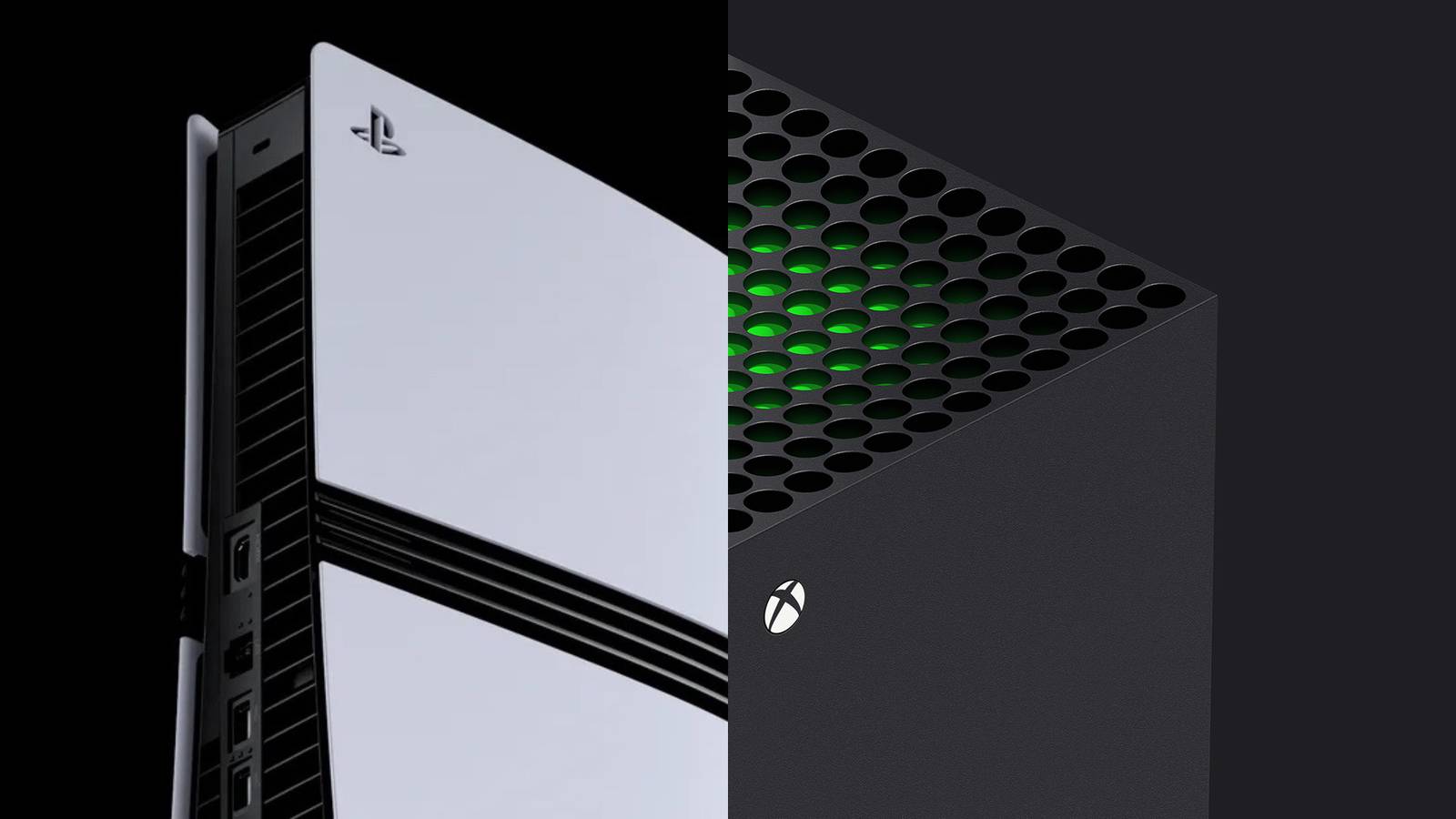
Rumors of absurd prices for the next generation of consoles keep gaining traction — and the public is already leaning into skepticism. Per reports compiled and published in recent days, the future PlayStation 6 is expected to cost over $1,200, while the Xbox Helix is internally projected between $1,200 and $1,800 — and the question forums and analysts have already started asking is whether the generational leap is actually worth the investment. Nothing has been officially confirmed by Sony or Microsoft: these are leaker estimates and press reports, but they land at a moment when the graphical evolution of games no longer sells a jump this big on its own.
"As it stands, the price of the Helix console has internally been projected to cost consumers between $1,200 and $1,800, unless Microsoft decides to subsidize the cost."
Excerpt from the Fortune report, as quoted by Kotaku.
The leaked numbers so far
The chain of leaks started over the weekend with a report from leaker Kepler_L2, known for previous hardware predictions regarding Sony: the amounts the future PlayStation 6 will have to spend on RAM and NAND storage, combined, would cost over $680 per unit — as much as an entire PS5, by IGN's comparison. The same insider had already indicated that the console's total bill of materials (the BOM) sits at around $1,000, and outlets such as VGC and IGN highlighted the number: with bills like that, we would be "lucky" if the console shipped "for under $1,200".
A day later came Microsoft's side. A profile of Xbox's leadership published by Fortune on Tuesday states that the next-generation console, codenamed Project Helix, has an internally projected price between $1,200 and $1,800 unless the company decides to subsidize part of the cost itself. According to the same report, the target launch window is the 2028 holiday season, with an Xbox-family handheld arriving earlier, at the end of 2027 — figures that, as of this writing, remain without official confirmation.
There are still diverging estimates circulating: YouTuber Moore's Law Is Dead, known in the Xbox ecosystem, went so far as to point to something between $999 and $1,200 for the Helix, while Kepler_L2's data suggests an Xbox console with roughly 56 TFLOPS, against 40 for the PS6 — all, once again, unverified figures.
Why console prices exploded
The background is familiar to anyone following the industry: the tech giants' race for AI infrastructure has poured billions into memory, SSDs and advanced chips, driving up the cost of components consoles use at scale. Microsoft's own AI expansion is, per outlets like CBR, one of the factors behind the component crisis the industry lives today. For manufacturers, the outcome is simple: memory and storage got more expensive for everyone, and a new console is no exception to the bill.
That is why market estimates had already projected launch prices between $600 and $800 for the PS6 and Helix even before this week's leaks — and that is why Fortune's projection, up to $1,800, landed with skepticism in a market still digesting the current generation's price hikes: the Xbox Series X, which launched in 2020 at $499, has already gone through increases in recent years.
The public threatens to sit this one out
In the forums, the reaction was immediate — and the tone is double distrust: too expensive for what it delivers. "Graphics ain't going anywhere in the next 5 years; developers know people can't afford new stuff, they won't target the PS6 years after it comes out," wrote one Reddit user, theorizing that the price-driven low adoption would produce more cross-gen games (which run on both generations at once) than the PS4-to-PS5 transition ever did.
Another user was even more emphatic: for them, the next chapter will either be "not a significant upgrade over the PS5 hardware-wise", or will be too expensive to sell — and if the second scenario wins, "no one" will buy the console anyway.
"I sincerely doubt there'll be Helix/PS6 exclusives."
Reddit user quoted by CBR.
A generation without a leap?
The fans' fear has a grounding in a phenomenon that is already shifting the market: games are near the photorealistic ceiling, but the deliverables from one cycle to the next keep shrinking. Titles like The Last of Us Part 2, Cyberpunk 2077 and the long-awaited Grand Theft Auto 6 already hover at maximum visual fidelity, and the technical highlights of recent generations come down to near-instant loading and ray-traced lighting — real improvements, but hard to sell as the new baseline of a generation.
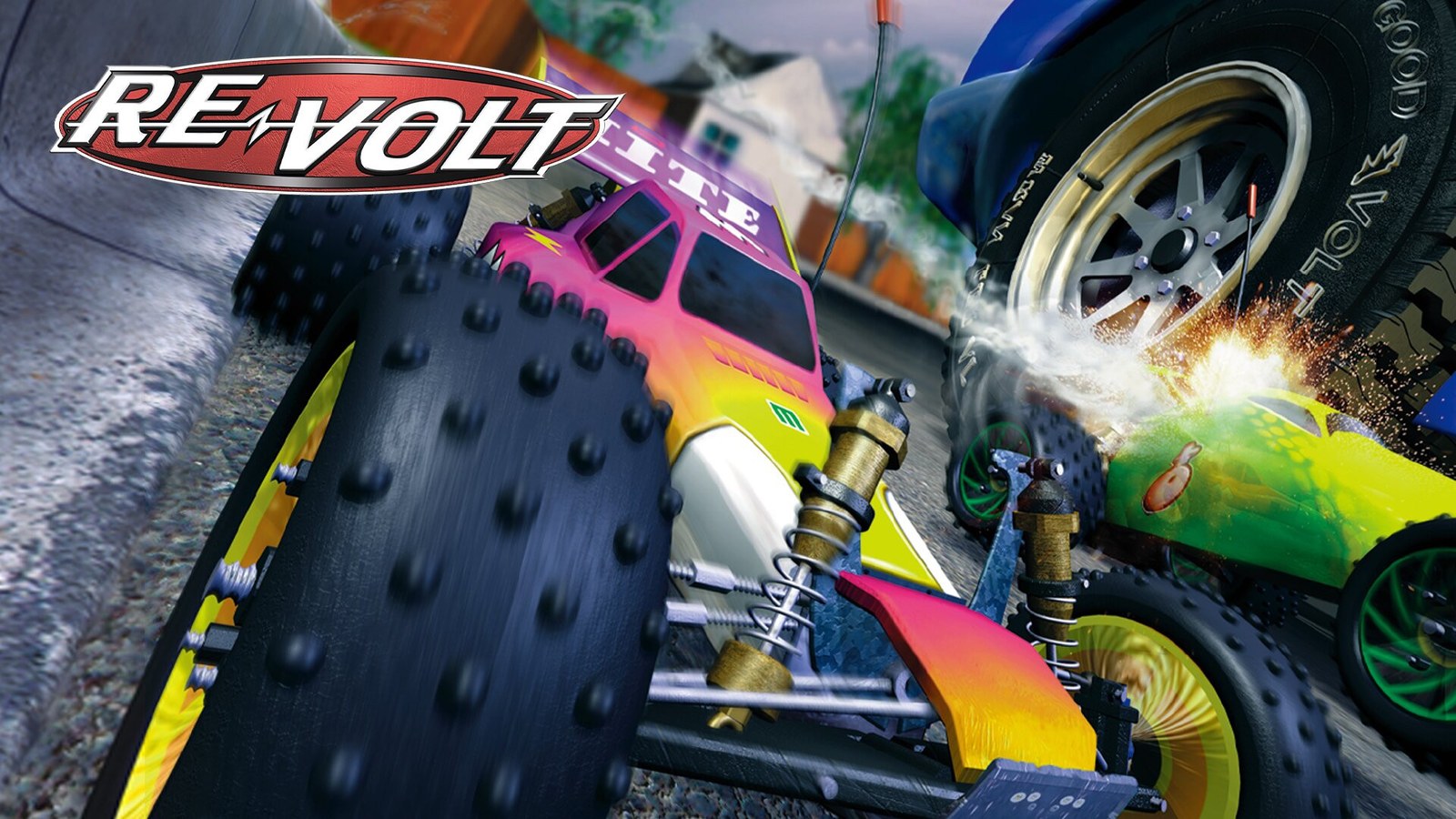
The practical consequence already shows in releases: AAA blockbusters, ever larger and more expensive to make, keep shipping on old hardware — and the current generation continues to receive new content, from Re-Volt, returning to the PS5 in console form this November to the 60 fps upgrade Mafia III received on PS5 and Xbox Series. The lack of true exclusives on the PS5 compared to the PS4, another symptom of production costs, rounds out the picture fueling the doubt about whether it is worth jumping generations.
What to expect from here
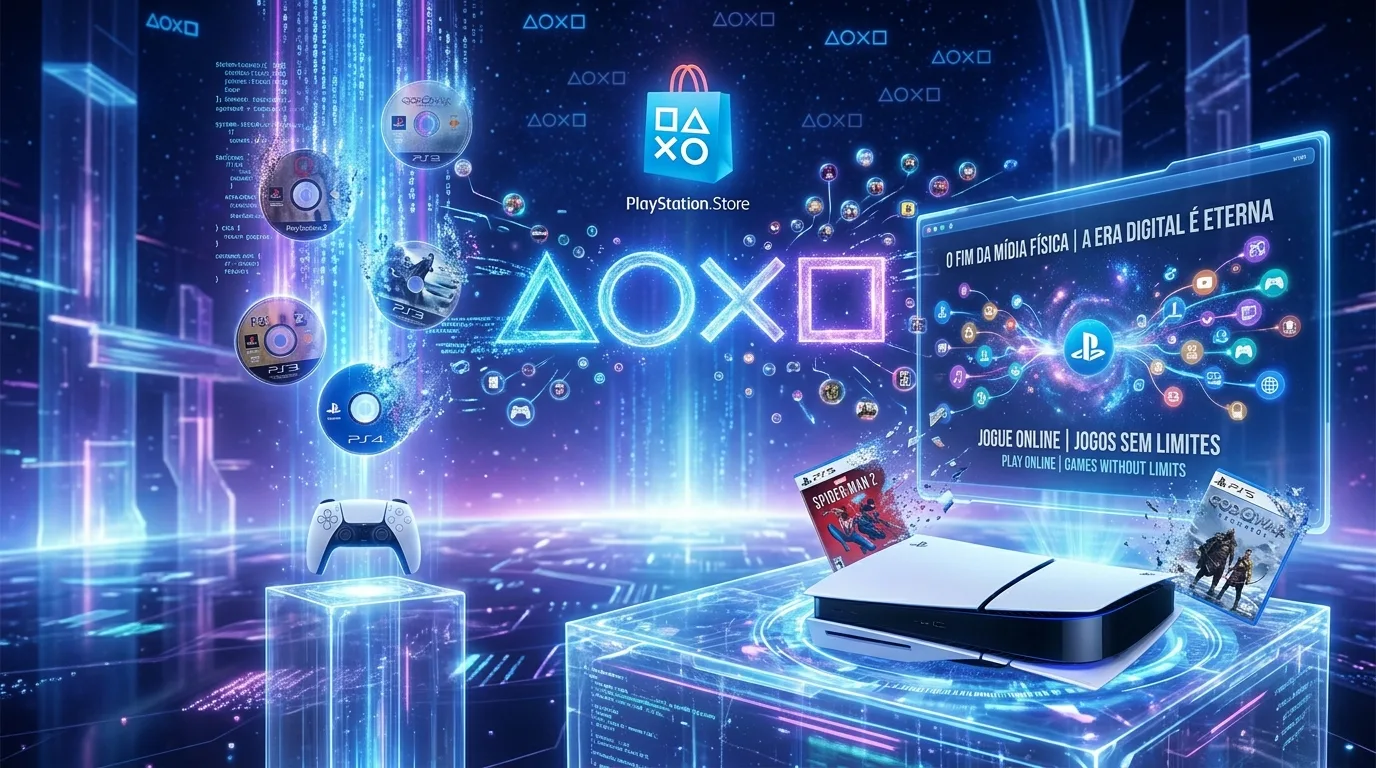
Market analyst Mat Piscatella, of Circana, summed up the mood with sarcasm while reposting the Fortune report on Tuesday: "So, good luck with that." The scenario companies face is of a shifting market: game streaming grows as an access alternative, Sony has already presented plans to end the physical media line — and even went as far as reconsidering the decision after the panic of a 280,000-signature petition — all at a moment when the two giants must decide how much of the component cost to pass on to an increasingly skeptical customer base.
None of this is confirmed. Consoles have not been announced, the numbers are not official, and Sony and Microsoft remain silent about the future of their hardware. What this week of leaks made clear is the opposite: the next generation is starting to be discussed not by the power it will deliver, but by the price it will cost — and, in that conversation, buyers are already weighing the bill before the consoles even have a final name.
Suggested and related articles

After Cutting Ties With Sony and Moving Physint to Xbox, Hideo Kojima's Studio Breaks Silence on Finances

Persona 4 Revival: Atlus Details Remake With 3D Inaba and Revamped Combat
PlayStation: End of physical media sparks 280K-signature petition as devs warn of 'end of ownership'
Re-Volt, the 1999 classic, hits Switch and PS5 in November
Shrek 2 Remastered surprises on the Microsoft Store